
Aquamation is an eco-friendly form of body disposition that’s sometimes called “water cremation.” Like flame cremation, it returns the body to its basic elements and leaves behind bone fragments that are processed into a fine powder and returned to the family. Instead of fire, it uses warm water, an alkaline solution, and heat to speed up the same natural process our bodies go through after death, just much faster and inside a machine instead of six feet underground.
Aquamation (Alkaline Hydrolysis)
On This Page
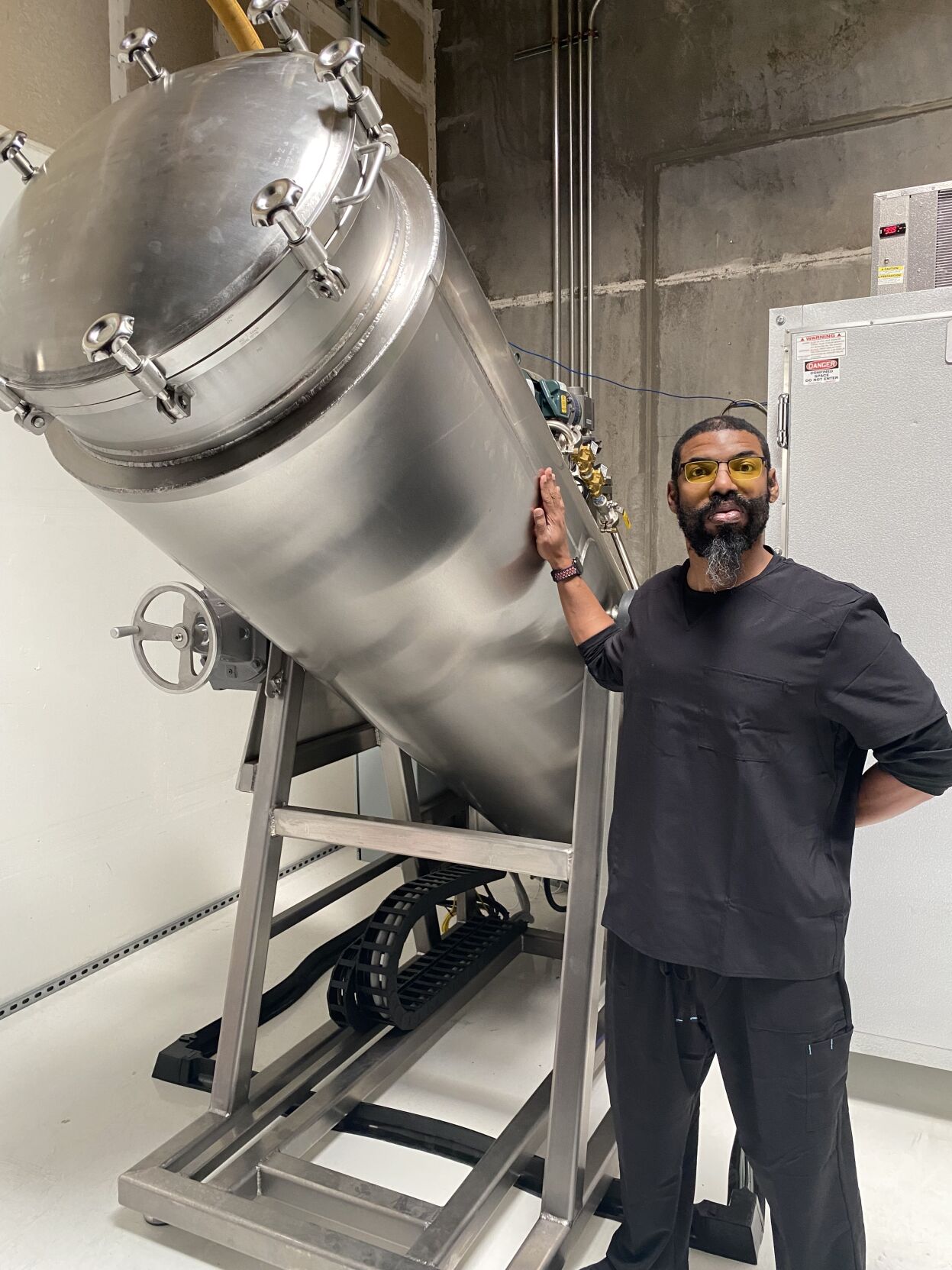
Martin McCurdy from Green Farewells in Las Vegas stands next to an aquamation machine from Bio-Response Solutions.
How Does Aquamation Work?
The body is placed inside a stainless steel vessel designed for the process with water and a small amount of alkaline solution.
Over several hours, gentle heat, water circulation, and pressure speed up natural decomposition, dissolving soft tissue and leaving behind only the bones which are then dried and processed into a fine powder aka “ashes” similar to the remains from flame cremation, and returned to the family. From start to finish, aquamation usually takes between 6 to 12 hours.
Watch a video explaining how alkaline hydrolysis works.
Environmental Benefits
One of the primary reasons people choose aquamation is because of its reduced environmental impact.
Studies have estimated that alkaline hydrolysis can:
- Reduce energy consumption by up to 90% compared with flame cremation.
- Produce approximately 35% fewer greenhouse gas emissions.
- Eliminate the direct combustion of fossil fuels required for flame cremation.
Because the process uses water rather than fire, aquamation avoids many of the emissions associated with flame cremation while still providing families with cremated remains.
Why Do People Choose Aquamation?
People choose aquamation for many reasons:
- It uses significantly less energy than flame cremation.
- It produces fewer greenhouse gas emissions.
- It is viewed by some as a gentler process than cremation by fire.
- It returns more remains to the family than flame cremation.
- It aligns with environmental, spiritual, and personal values or preferences centered on sustainability and care for the natural world.
In recent years, aquamation gained international attention following the death of Archbishop Desmond Tutu, who chose alkaline hydrolysis as his method of disposition. Tutu was a lifelong environmental advocate whose final wishes reflected his commitment to ecological stewardship.
How Is Aquamation Different from Flame Cremation?
Both aquamation and flame cremation return processed bone remains to the family, but there are a few key differences.
The remains look different
Aquamation remains are usually white or light tan because they aren’t exposed to extreme heat. Remains from flame cremation tend to be gray in color after being subjected to temperatures of nearly 1,800°F.
Families often receive more remains
Aquamation can produce 20–30% more cremated remains because the bones aren’t burned or made brittle by intense heat. For families who want to divide remains among loved ones or scatter them in several meaningful places, that extra amount can be helpful.
The process itself is very different
Flame cremation uses high heat to reduce the body to bone fragments. Aquamation uses water, gentle heat, pressure, and an alkaline solution to accelerate natural decomposition instead. If flame cremation is fire doing the work, aquamation is more like water lending nature a helping hand.
Cultural Significance
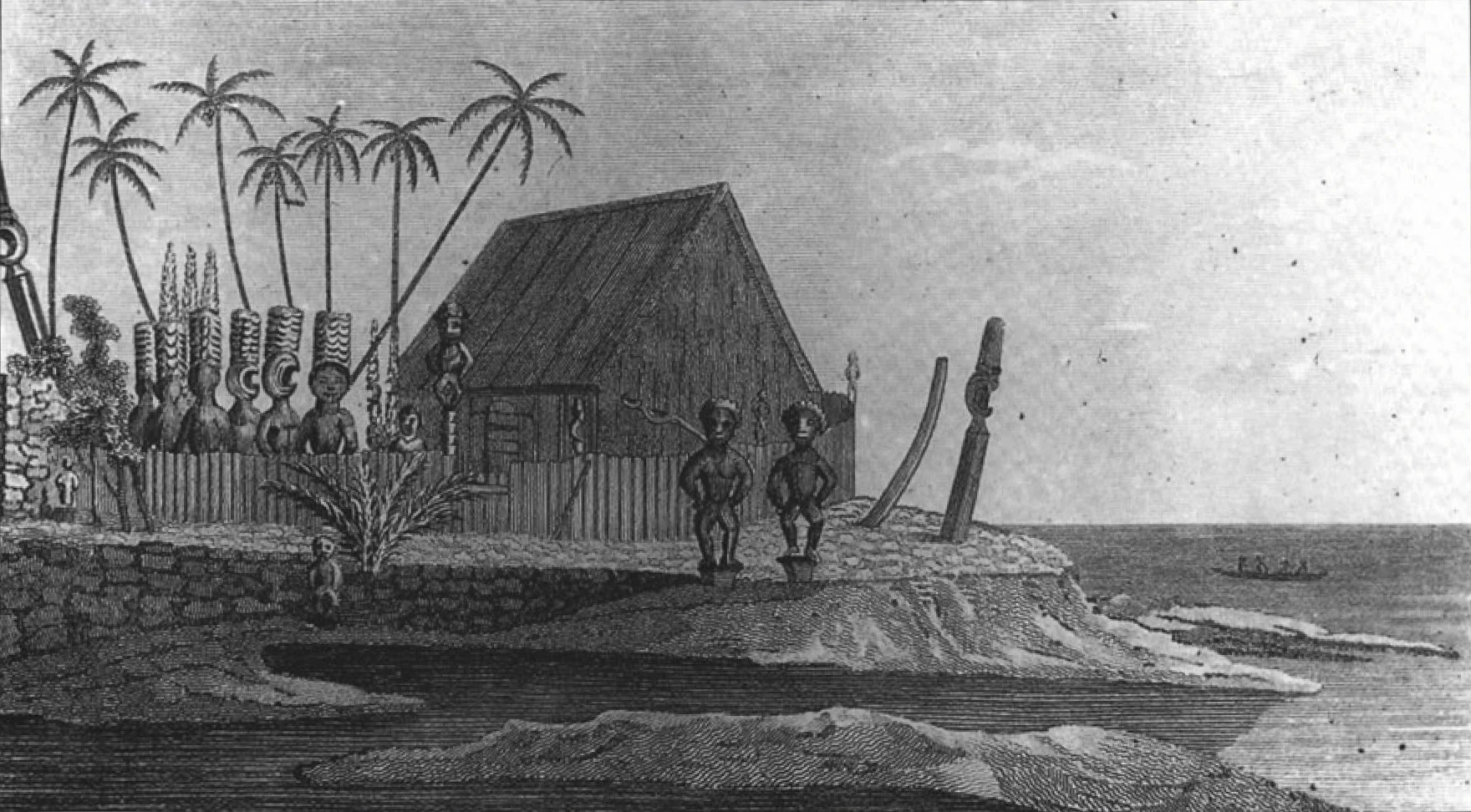
Beyond its environmental benefits, aquamation has also become part of efforts to restore cultural and spiritual traditions. For many Native Hawaiians, iwi (ancestral bones) are sacred because they are believed to physically hold a person’s mana, their spiritual essence. Caring for iwi honors ancestors and returns their mana to the ʻāina (land), nourishing both the earth and future generations. Yet for decades, legal restrictions prevented many Native Hawaiians from fully practicing these funerary traditions. The legalization of aquamation in Hawaii has helped make these practices possible once again, supporting the revitalization of important cultural customs.
Is Aquamation Legal? How do I find a provider?
In many places, yes! Aquamation is legal in a growing number of U.S. states and Canadian provinces, though the rules are still evolving as lawmakers catch up with new ways of caring for our dead.
Where Is Aquamation Legal?
- Alabama*
- Arizona
- California*
- Colorado*
- Connecticut*
- Florida*
- Georgia*
- Hawaii*
- Idaho*
- Illinois*
- Kansas
- Maine
- Maryland*
- Minnesota*
- Missouri*
- Nevada*
- North Carolina*
- Oklahoma*
- Oregon*
- South Carolina
- Tennessee
- Utah
- Vermont*
- Washington*
- West Virginia
*States that currently have an aquamation facility
If aquamation interests you, be sure to check the current laws where you live. And if your state hasn’t gotten the memo yet, some funeral homes partner with providers in neighboring states where aquamation is already up and running. Sometimes, deathcare involves a little road trip.
Aquamation generally costs between $2,000 and $3,000, though prices vary by region and funeral provider. Some providers offer direct aquamation services for just over $1,000, while others charge significantly more. As with any funeral service, it’s worth comparing prices and requesting a General Price List before making a decision.
You can find a list of licensed providers and their locations via this linked directory organized by state, or the Water Cremation Planning website.
If you’re interested in aquamation, you can also start by contacting local funeral homes and asking:
- Do you offer aquamation?
- If not, do you partner with a facility that does?
- What transportation arrangements are available?
- What are the associated costs?
- Are witness or family participation options available?
Where Can I Learn More About Aquamation?
Explore The Order’s recommended media:
- Video explaining how alkaline hydrolysis works
- The history of aquamation and its development
- Gaining acceptance as a practice and legalization efforts
- Aquamation for companion animals