We’ve all seen it: the way people—especially adults—will sidestep any conversation about death like it’s an obstacle they’d rather never face. They’ll change the subject, make an awkward joke, or walk away altogether. I’ve seen it in my father’s eyes, in the tightness of his jaw when the subject of someone’s death comes up. I’ve heard it in Bobby’s voice when, after years of avoiding it, he finally broke down and admitted that the deaths of friends had quietly eaten away at him for years. This silence, this avoidance—it’s passed down generation after generation, as if not talking about death will keep it from ever happening.
But here’s the thing: Death is coming for all of us, and silence has never been strong enough to keep it away. Silence makes things worse. I know this because I’ve worked with families who were completely unprepared to deal with the death of a loved one— not because they didn’t care but be-cause they didn’t know where to begin. And the root of that is simple: We’ve made death an unbearable topic. We treat it it like something dark and unspeakable, as if daring to talk about it might somehow invite it into our lives.
Younger generations are picking up on this avoidance, and they’re growing up just like the adults I meet all too often—people who absolutely refuse to have a conversation about their own death or the death of someone they love. It’s time to break that cycle. We can’t keep passing this fear down like an heirloom. If we want things to be different for the next generation, we have to start now, making conversations around death not just easier to bear but a natural part of life.
So, what do we do? How do we change the conversation so that younger generations don’t carry the same fear and avoidance into their adulthood? I believe it starts with how we talk about death early on. Instead of whispering about it behind closed doors, or waiting until it’s too late to have the conversation, we can normalize it. We can make it a part of life, something to plan for and discuss openly.
For parents, this means being honest with their kids.
When a pet, friend, or grandparent dies, that’s an opportunity to have real conversations about what it means to die, what happens after, and how we can prepare for it. Avoiding the topic with children, thinking that we’re protecting them, only makes it harder for them later on. They grow up with the same discomfort and fear that we’ve carried, and then when it’s time to face death in their own lives, they’ll be just as unprepared as we were. In the words of Frederick Douglass, “It is easier to build strong children than to repair broken men.”
We can bring light into the conversation. That’s the gift we can give to the next generation—the peace of knowing that death is not some looming monster to be feared but a part of the journey we’re all on. When we talk about it openly, we take away its power. It becomes something we can face together, instead of something we hide from.
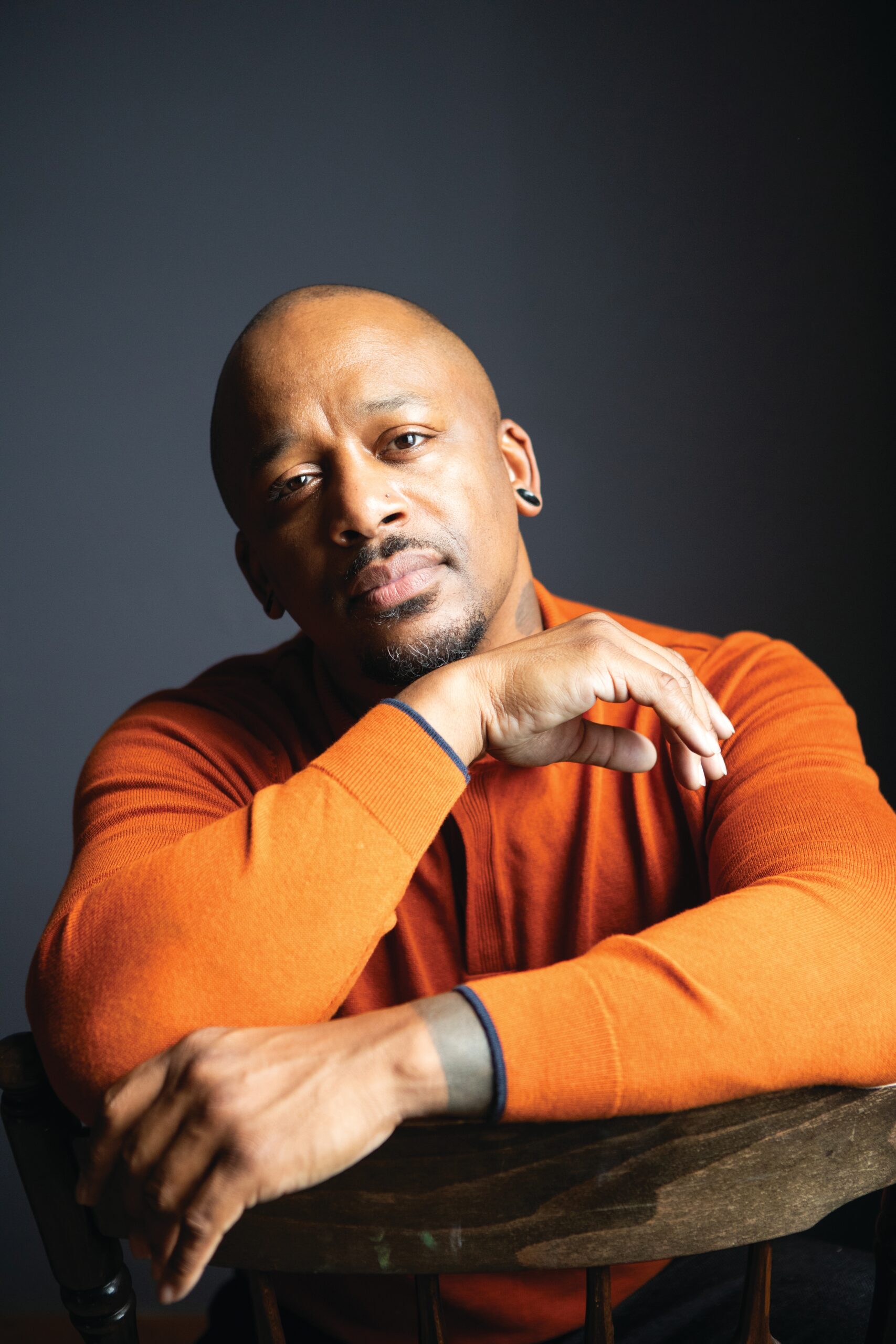
Photo by Kristen Finn.
Author, Darnell Lamont Walker.
The key is starting small, having the conversations in ways that feel natural. We can talk about what we want when we die—how we want to be remembered, what kind of send-off we’d like, who we want to make decisions for us if we’re not able to make them ourselves. These are conversations we should be having not just when death is near but all the time. Imagine how much easier it would be if the kids in our lives grew up hearing these conversations, knowing it’s okay to talk about death, to ask questions, to express their fears. They wouldn’t have to carry the same burdens that we did.
And let’s be real, this isn’t just for them. This is for us, too. Talking about death doesn’t just prepare the people we’ll leave behind; it gives us peace, too. It’s liberating to know that we’ve thought about it, that we’ve made plans. There’s a freedom in acknowledging that death is a part of life, and in doing so, we give ourselves permission to live more fully.
We don’t need to wait for the perfect moment or the “right time.” There’s never a perfect time. Start now. Bring it up at dinner. Make it part of your family’s narrative.
I’ve seen too many adults grow up avoiding death until it’s standing right in front of them. I’ve seen the pain it causes—the way it steals from them, not just in their final moments but in the days, months, and years leading up to it. We can stop that. We can teach that death is not something to fear but something to face with grace, love, and clarity.
It starts with us, right now.
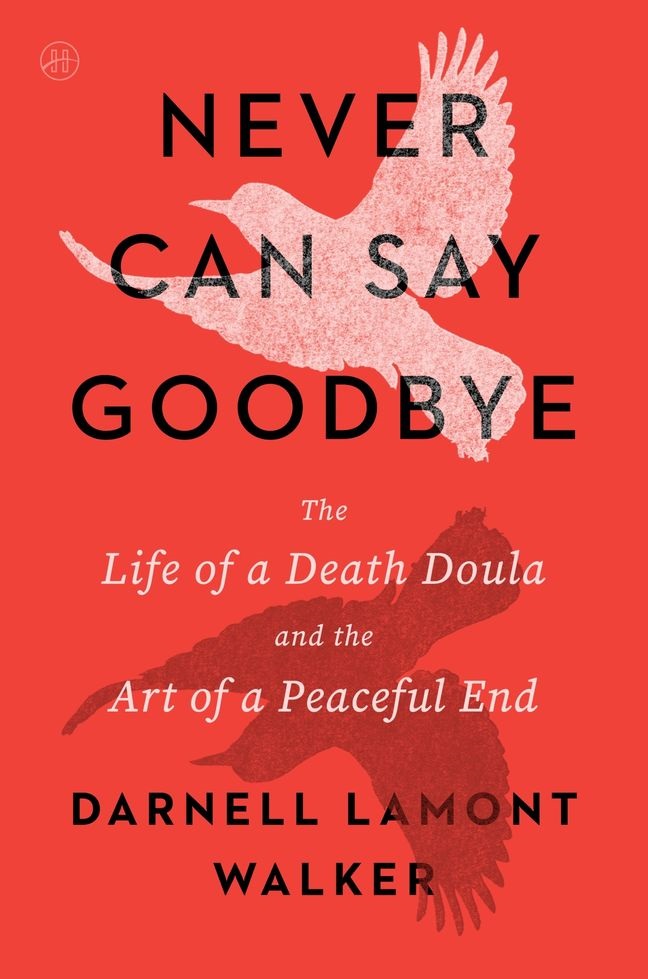
Excerpt from Never Can Say Goodbye by Darnell Lamont Walker and reprinted with permission from HarperOne, an imprint of HarperCollins Publishers. Copyright 2026.
Darnell Lamont Walker is a death doula, Emmy-nominated children’s television writer, producer, and explorer. Born in Charlottesville, Virginia, he creates spaces worldwide for healing through storytelling, end-of-life care, and workshops on grief, resilience, unlocking the writer within, and radical empathy. He joyfully lives in the Chattahoochee National Forest of North Georgia.