
The Order of The Good Death

Of Corpses and Museums

My dear friend Andrew, who is currently living in Jamaica (not relevant, just awesome) sent me a book called Human Remains and Museum Practice. It’s basically like The Hunger Games – except a bunch of academics talking about bodies in museums. So… not at all like The Hunger Games.
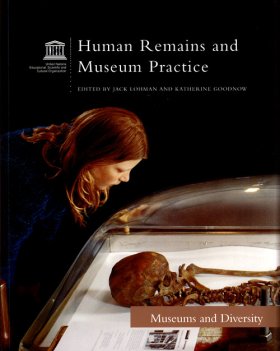
As someone constantly struggling with MEANING of those darn corpses, I totally get the dilemma of the book. Is it nice and tidy and scientific to show bodies of dead humans in a Western museum? At what point does that tribe in Borneo asking for the bones of their ancestors back for burial seem like a pretty obvious choice?
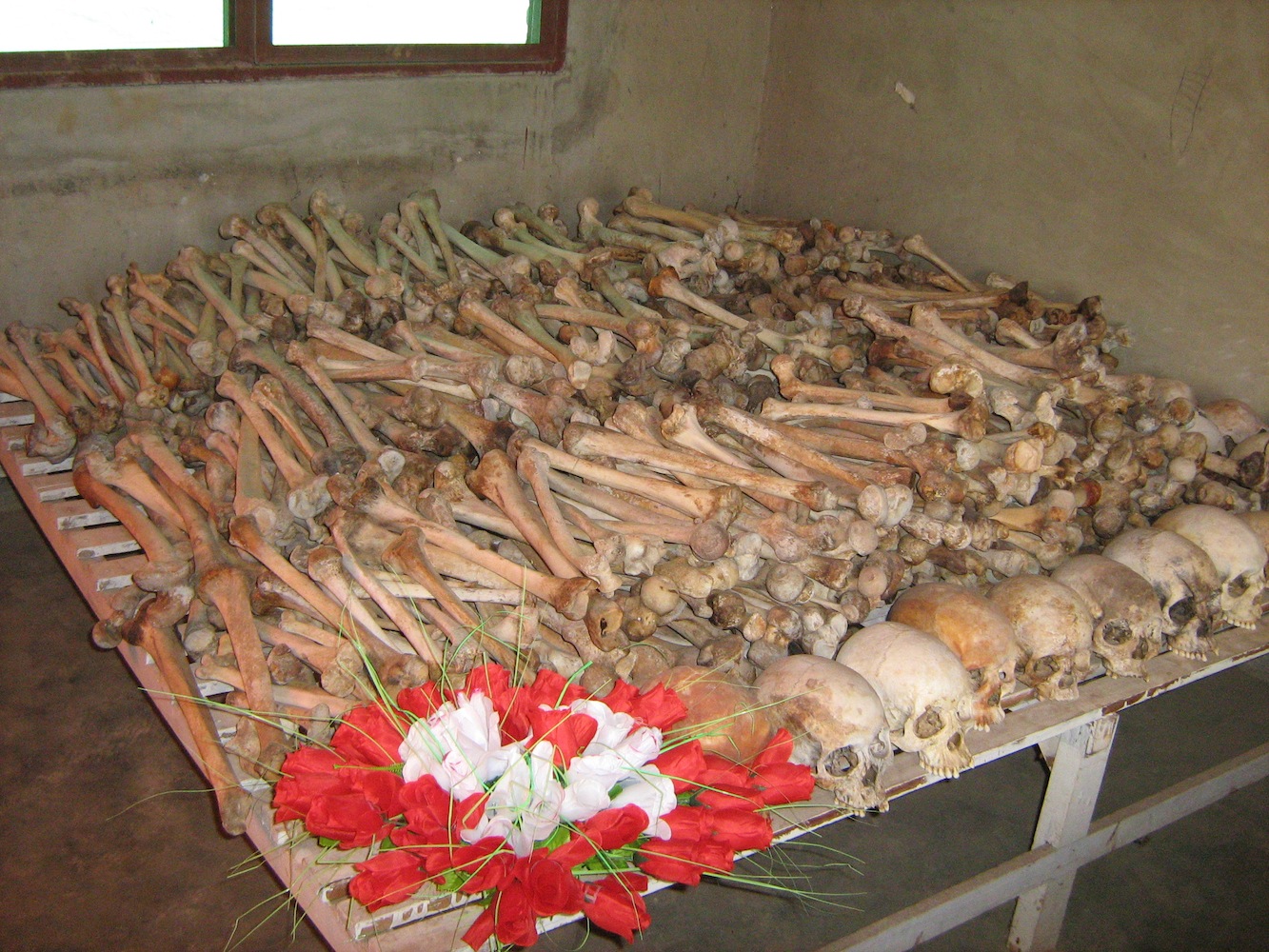
There is also the issue of us versus them. As a woman I can perhaps call myself a cunt but a man can’t call me that (though they have).  For example: this artfully arranged pile of bones in Rwanda, acting as a reminder of the horrors of the Rwandan genocide. This display was put together by the Rwandan government at the Murambi Genocide Memorial. But what if the Natural History Museum in Washington DC displayed a pile of bones from the victims of genocide and told us it was totally fine because we were learning things?
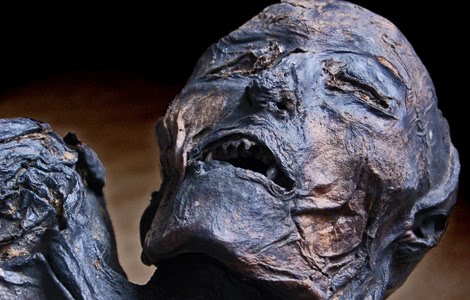
Another sticky (pun intended) area is how fresh the body is. ”Museums have traditionally taken the position that it is appropriate to display ‘old’ human remains but not the ‘recent’ dead.” But who decides what is old and what is recent? In this scenario Gunter von Hagen’s Body Worlds exhibit is bad because it’s all those ‘recent’ bodies, but that skeleton at your local museum from some grave mound in 700 AD is totally fair game because it’s ‘old.’ It seems like the rule is that it’s cool to display a dead person without asking them as long as it wasn’t POSSIBLE to ask them because their bones are older than your lifespan.

There are a lot of question marks in the book and phrases like “there are no easy answers.” Which is a shame because I was kind of hoping they would give me some damn answers.

What do you think about the display of the dead in a museum setting?

What if, in our highly sanitized Western culture, it’s really our only access to the truth of mortality?

Posted on by caitlin
This entry was posted in Blog. Bookmark the permalink.
  • Rosemary1031

    The only way it works in this “disinfected” society is if the corpses lack any semblance of us in our present state. Funerals are taboo enough for most. We like to blur out aspects of the dead that demonstrate this was recently a living breathing person; we do this in our television programs often. We can talk about the horrible things that happened to them but we can’t show their skin, the bruising, the gashes – at least not in any legit forensic program. The displaying of the personable dead just wouldnt fly in the West. I saw the Bodies exhibit and it seemed so surreal; there was something still so distant from all that gawked at these mannequin-like figures. Their unnatural facada posed so naturally. Can you imagine them with flesh on, displayed as such? I can, but I can’t imagine an audience. It’s just too close for comfort, in my opinion.

  • Anonymous

    Whoa. This is excellent. And brings up some really great questions that I’ve never even contemplated, despite exposure to bodies in an academic/museum setting as well as exposure to them as  a FD/embalmer. Think I might have to sit on this post for a little bit before I come up with any answers – and maybe find a copy of that book on Amazon, too.

  • Shelley

    I think the provenance matters just as much as the age.  It’s very different to see a rank of bones in the Paris catacombs than it is to see a group of skulls from different ethnic groups collected by a 19th century naturalist. 

    The knowledge that displayed bodies or parts were traded is also culturally really uncomfortable.  And if a museum has it, chances are good that someone traded it, took it or bought it.

  • Anonymous

    I never understood why the Body Worlds Exhibit was seen as in poor taste. Every exhibit save for the animals permission was obtained, and you can even express when you donate your body what you want it to be used for i.e. “Sorry gunther but I’d rather not have my remains used in your sex ed museum piece but anything else is fair game”. I think it’s wonderful and I have thought about possibly doing it one day. My only drawback is that my family might want to remember me as not a display piece. 

  • susitania

    The thing about Gunther von Hagen’s exhibits is that you get the feeling something’s not quite… right. And it isn’t. He claims it’s all for science, but if you look at some of the displays that aren’t bodies–the literature, and the rest–it’s clear that it’s not science at all. For von Hagen, it’s art; which is fine, except for the whole trying to pass off his obsession as science thing. I think that’s really what makes people so uncomfortable; they just chalk up their discomfort to being around dead bodies because that’s seems like the most reasonable explanation, when in reality it’s that funny feeling you get when someone’s not being honest but you can’t pin the lie.

    Also, not all the bodies in von Hagen’s exhibits gave their consent before death: some of them have been traced back to China as executed prisoners.