
In Western culture, suicide is almost always associated with failure. The suicidal person can’t manage to come to terms with their life so they “give up.”

But what if you’re from a culture that has a strong belief in a literal afterlife? By literal afterlife, I mean that everything you are in this world is exactly what you’ll be in the next world. Missing a limb? Limbless in the afterlife. A baby? Crawling around helpless in the afterlife. Old and cranky? You get the picture.
In that scenario, you have every incentive to end your life early, while you’re still in your prime. In A Social History of Dying, Allan Kellehear (who’s not my favorite, but credit where it’s due) mentions that “the Mangaians of the South Pacific… the Kamants of Abyssinia, the Chiriguano Indians of South America and the Fijians are among the many who believe that souls appears in the afterlife in the exact same image that they held before death.”
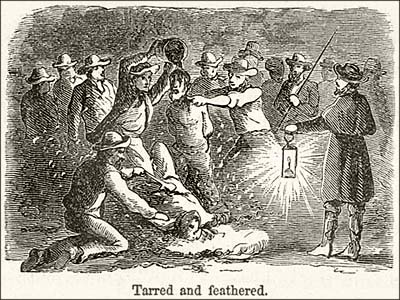
If you’re going to enter the afterlife just as you are, naturally some of these cultures have developed methods of suicide that allow for early checkout in the interest of afterlife happiness.
The Paraguay Indians, for example, would throw a man a feast in his honor, pre-suicide. Which doesn’t seem so bad. Oh… but then the man was tarred and feathered and buried alive in a large jar.
Amongst the Chiriguano Indians, a loved one would break your spine with an ax. Thanks, loved one!
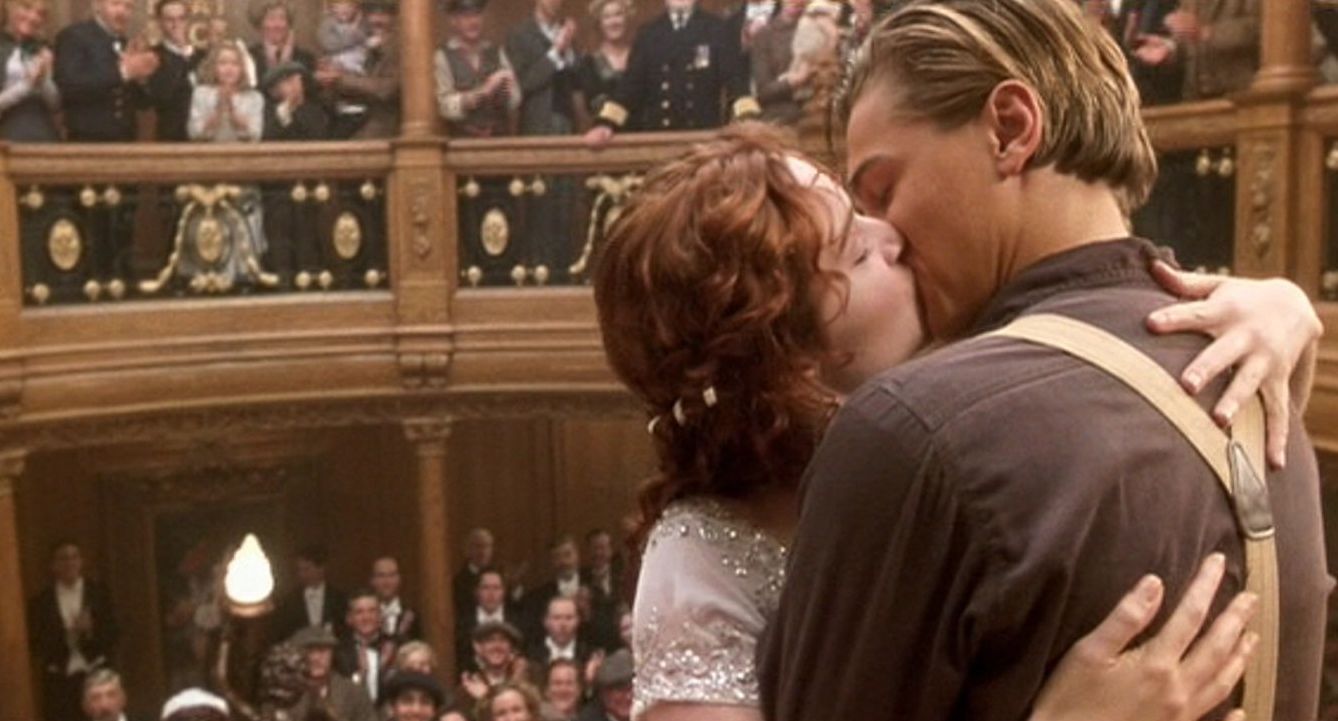
Do you remember the end of Titanic when Rose dies an impossibly old woman but emerges into some sort of heaven as a beautiful young girl again? Leonardo DiCaprio is waiting for her at the top of the stairs and all the victims are there to applaud her entrance. They kiss and eternal bliss presumably begins.
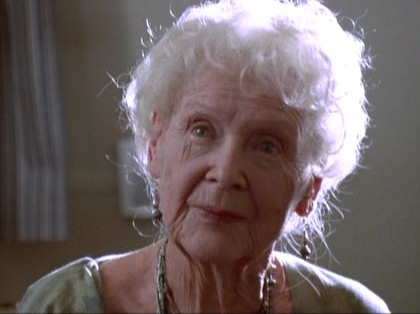
But if Rose were a Chiriguano Indian, she would know that she would be doomed to be 100-year-old Rose forever in the afterlife. If she wanted to be with Jack for eternity, she would have jumped off that damn floating door and sank to the icy depths with him. Or, perhaps gotten him on the door with her in the first place because WE ALL KNOW they both could have fit.
This is all to say that it’s important to remember that our perceptions of suicide are very cultural. What you believe to be wrong or right about suicide may not be what the man or woman in the next country over believes.
As a bonus, here’s a video of a caterpillar acting in the Chiriguano Indian model of boldly courting death.
{"@context":"http:\/\/schema.org\/","@id":"https:\/\/www.orderofthegooddeath.com\/article\/suicide-as-afterlife-helper\/#arve-youtube-4xd2ahmbnog","type":"VideoObject","embedURL":"https:\/\/www.youtube-nocookie.com\/embed\/4xD2AhMBNog?feature=oembed&iv_load_policy=3&modestbranding=1&rel=0&autohide=1&playsinline=0&autoplay=0"}